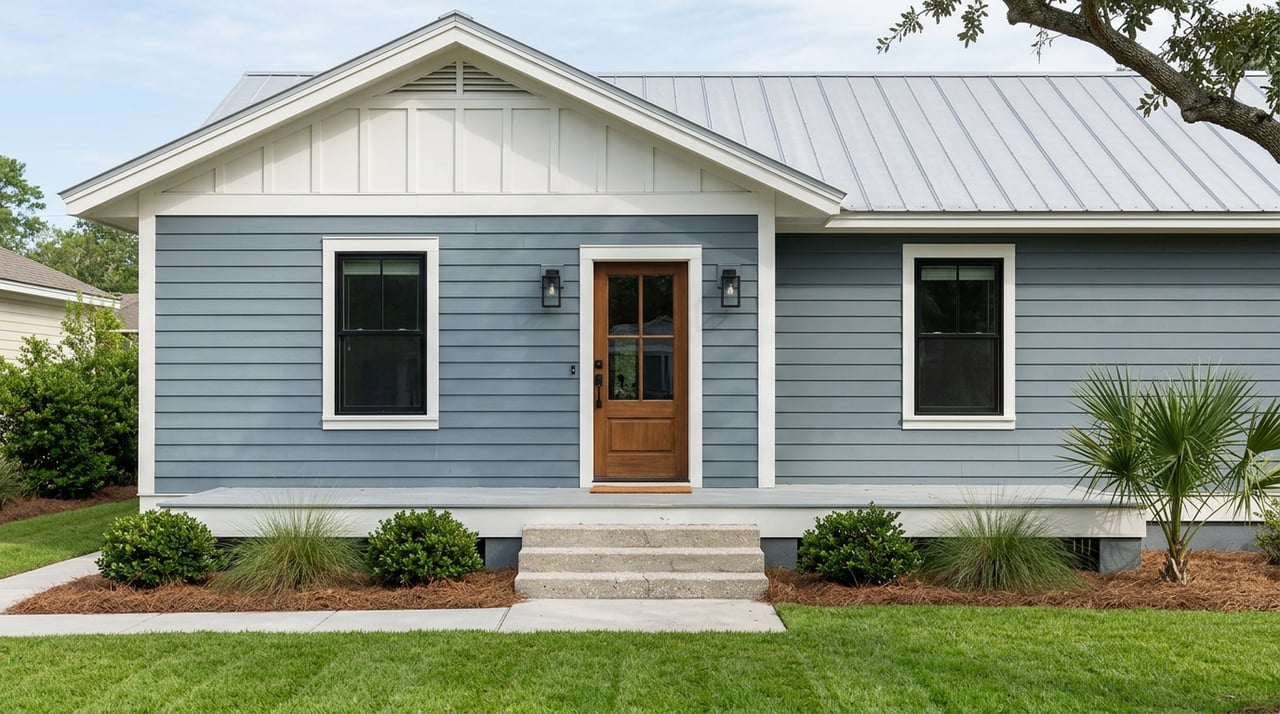
Trying to choose between an older home with personality and a newer home with fewer surprises? In Panama City, that decision often comes down to more than style alone. You are weighing location, upkeep, layout, and long-term value all at once. This guide breaks down the key tradeoffs so you can compare your options with more clarity and confidence. Let’s dive in.
Panama City’s Housing Mix
Panama City gives you a real mix of housing eras, which is part of what makes the search interesting. On one side, you have established areas tied to the city’s Community Redevelopment Agency districts, including Downtown, Downtown North, Millville, and Historic St. Andrews. On the other, you have newer planned development such as SweetBay on the former Panama City Airport site.
That mix matters because Bay County is not a market made up mostly of one home type. According to FLHealthCharts, the median year built for Bay County housing units in 2024 was 1993. The county also had 24,984 housing units built in the 1980s and 18,442 built in 2010 or later, which shows how often buyers here are comparing older homes and newer construction side by side.
Historic Homes in Panama City
Older homes in Panama City are often tied to established areas with a stronger sense of place and a more individualized feel. In neighborhoods such as Millville and Historic St. Andrews, the appeal is often the setting, the history, and the fact that homes may not all look or live the same way. If you want something with character and room to make it your own, this can be appealing.
That does not mean every older home is the same, and it does not guarantee a lower price. Some older homes have already been updated, while others may need work over time. Still, for many buyers, the draw is that these homes can offer a different experience than a more standardized new build.
What older homes often offer
- More architectural character
- Established areas within Panama City
- Less standardized layouts
- More opportunity for personalization over time
Newer Homes in Panama City
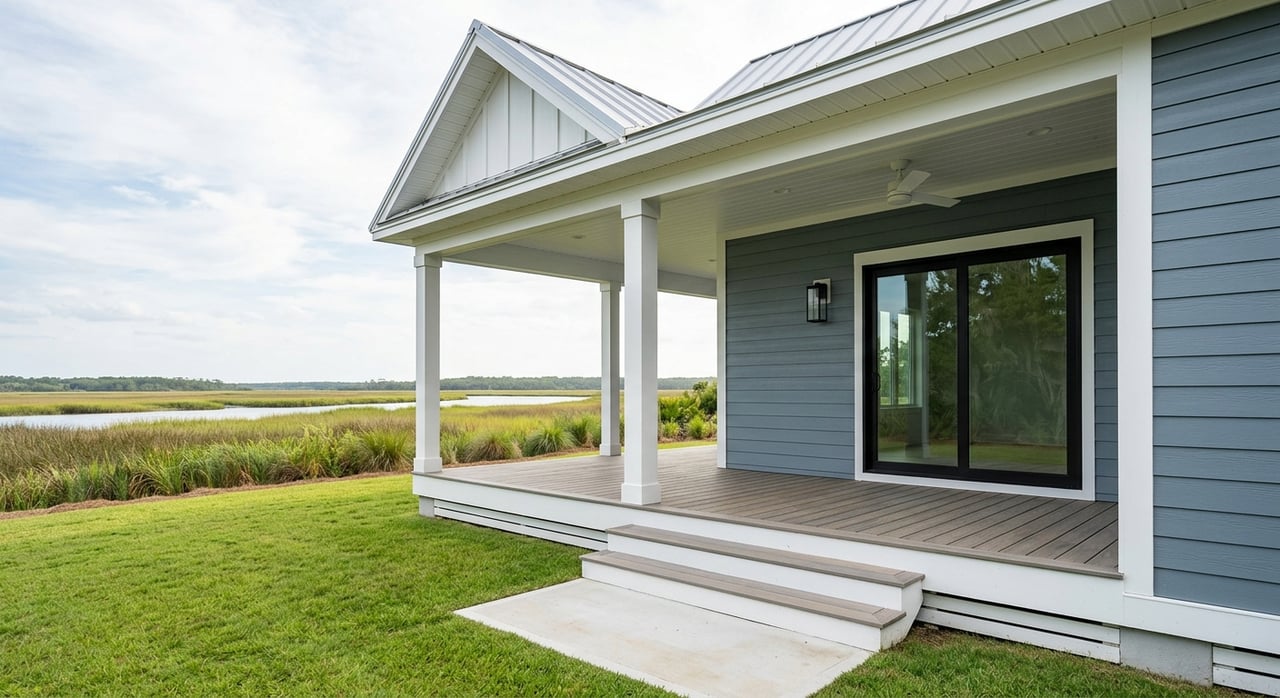
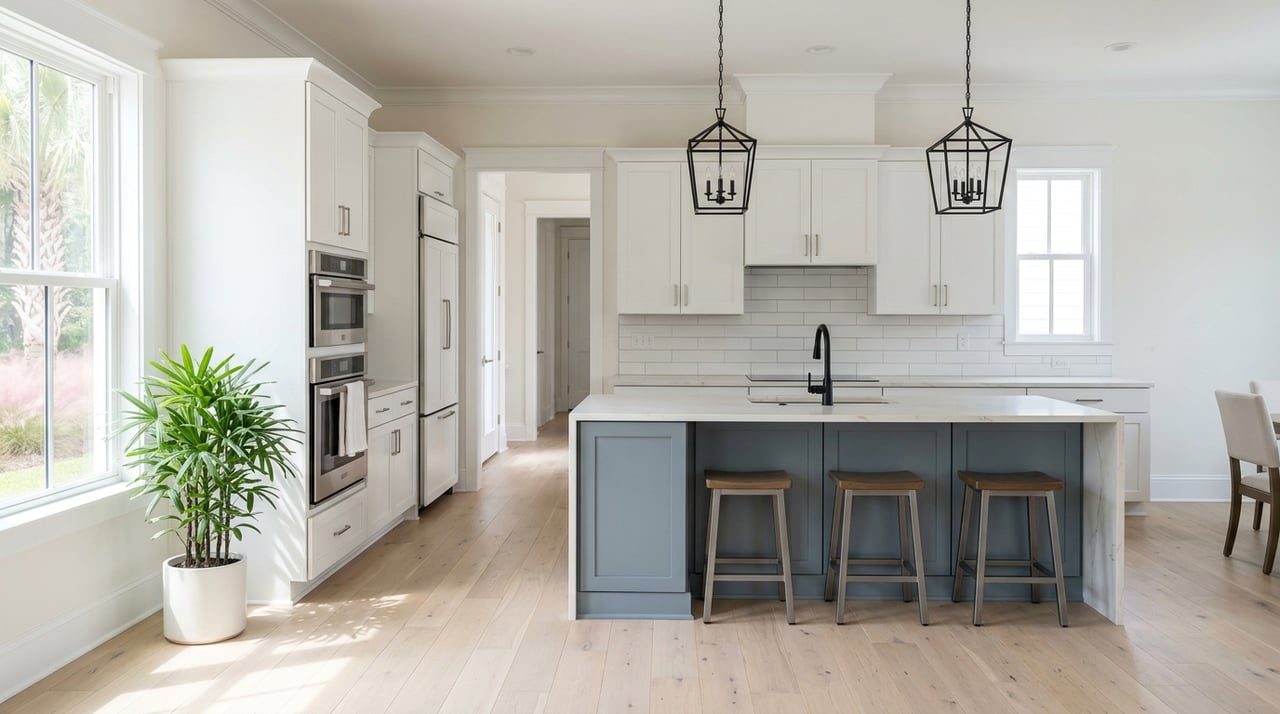
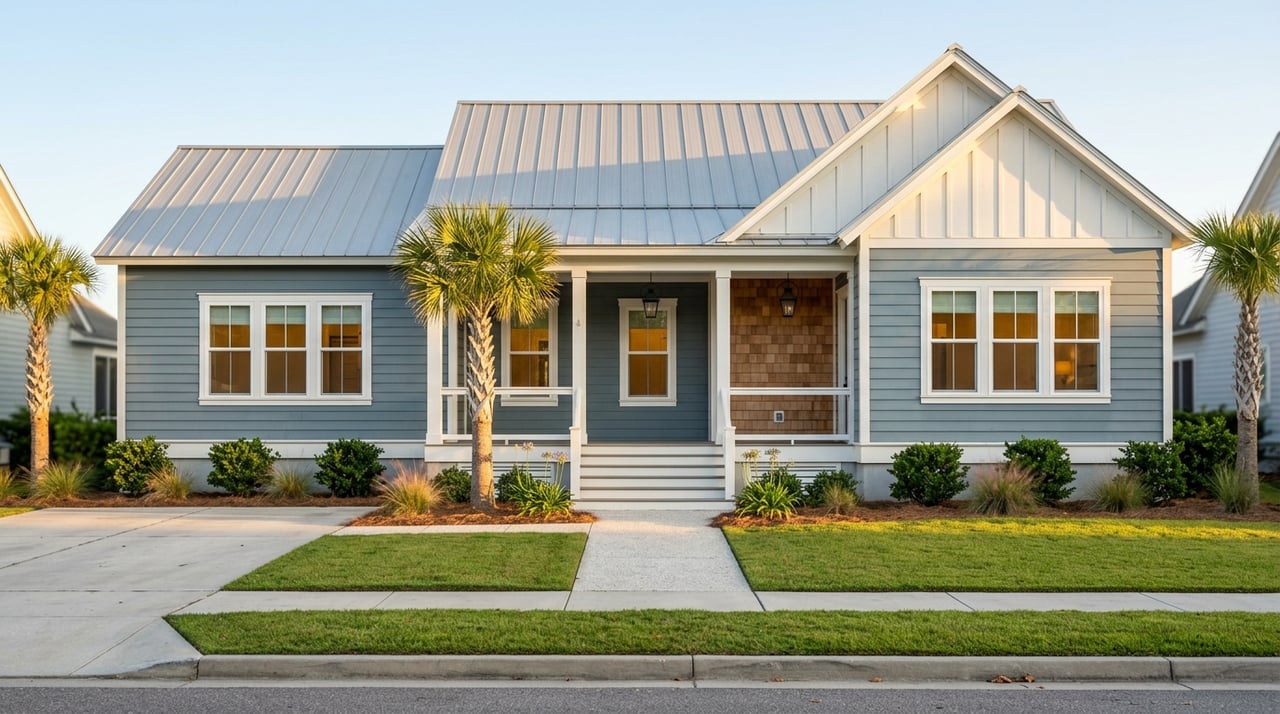
Newer homes usually appeal to buyers who want a more predictable starting point. In Panama City, that often means contemporary finishes, a layout that feels more current, and fewer immediate projects after move-in. Planned communities and recently built homes can be especially attractive if you want a more turnkey experience.
There is also a code-era advantage with newer construction. The Florida Building Commission says the Florida Building Code, 8th Edition, became effective on December 31, 2023, and the City of Panama City says current adopted codes include the 2023 Florida Building Code and the 2020 National Electrical Code. For buyers, that makes build date an important clue when comparing homes built in different eras.
What newer homes often offer
- More contemporary layouts and finishes
- Newer materials and systems
- Fewer first-year maintenance projects
- Construction tied to more current code standards
Layout Differences That Affect Daily Life
One of the biggest differences between older and newer homes is how the space feels in daily use. The tradeoff is often less about bedroom count and more about design era. Newer homes are generally more likely to reflect modern layout preferences, while older homes may have more individualized room flow and a less standardized setup.
That can be a plus either way, depending on what matters most to you. If you want predictability and a layout that feels move-in ready, a newer home may check the right boxes. If you like spaces with personality and you do not mind adapting or improving them over time, an older home may feel like a better fit.
Maintenance and Repair Expectations
Maintenance is one of the clearest tradeoffs in this decision. Older homes usually come with more age-related upkeep simply because their systems, finishes, and components have had more time to wear. That does not mean every older home is high-maintenance, but it does mean you should expect closer review of condition and future repair needs.
Newer homes often reduce the chance of immediate repair projects in the first year. That can make budgeting easier, especially if you want fewer unknowns after closing. For many buyers, that peace of mind is a major reason to pay more upfront for newer construction.
Energy Efficiency and Future Improvements
Energy performance can be another important factor, especially in Florida’s climate. The U.S. Department of Energy notes that many older homes have less insulation than homes built today. It also highlights attic air sealing and sealing around windows and doors as ways to reduce energy loss and moisture problems in existing homes.
In simple terms, newer homes often start with fewer efficiency projects on your to-do list. Older homes may offer more upside if you are willing to make improvements over time. If utility costs and comfort are high priorities for you, this is a smart area to compare closely when touring homes.
Price Tradeoffs in Panama City
Budget is often where this choice becomes most practical. In Bay County, detached single-family homes had a median sales price of $372,000 in June 2025 and $362,500 year-to-date, according to the Central Panhandle Association of REALTORS®. The same report showed 1,436 homes for sale and 67 days on market.
That local pricing helps explain why newer homes are often viewed as the premium side of the search. Nationally, new homes have traditionally carried a price premium because of newer systems and lower maintenance needs, even though that gap has narrowed in some markets. In Panama City, the real question is often whether you want to pay more upfront for a newer home or start lower with an older home and plan for updates over time.
How to Compare Older and Newer Homes
The best choice usually depends on how you want to spend your money, time, and energy after closing. A lower starting price may sound attractive, but it should be weighed against future repairs, upgrades, and efficiency improvements. A higher price for newer construction may feel easier to justify if it reduces your first few years of projects.
A practical way to compare homes is to look at the full picture, not just the list price. Focus on:
- Build year and code era
- Condition of major systems and finishes
- Expected near-term maintenance
- Layout fit for your daily life
- Room for future updates or personalization
- Overall value relative to your budget
Which Home Type Fits Your Goals?
If you are drawn to character, established parts of Panama City, and the chance to personalize over time, an older home may be worth the extra planning. If you want a home that feels more turnkey, more standardized, and built to a more current code era, newer construction may feel like the simpler path. Neither option is automatically better. The right fit depends on your priorities.
This is where a finance-first approach can help. Looking beyond the surface can help you compare not just what a home costs today, but what it may ask from you over the next few years. If you want help weighing older versus newer homes in Panama City, Ashley Meadows offers thoughtful, data-driven guidance tailored to your goals.
FAQs
What is the main difference between historic and newer homes in Panama City?
- Older homes in Panama City often offer more character, established settings, and room for personalization, while newer homes often offer more current layouts, newer systems, and fewer immediate maintenance projects.
Are newer homes more expensive in Panama City?
- They often are perceived as the premium option because of newer materials, lower near-term upkeep, and more current design, though the exact price difference depends on the specific property and condition.
Do older homes in Panama City usually need more maintenance?
- In general, yes. Older homes often come with more age-related upkeep because systems and finishes have had more time to wear.
Why does build year matter when buying a Panama City home?
- Build year can give you useful context about layout style, likely maintenance needs, and the code era a home was built under, including how recently it may align with current Florida and City of Panama City codes.
Are historic areas still an important part of the Panama City market?
- Yes. The city’s CRA districts include places such as Downtown, Downtown North, Millville, and Historic St. Andrews, which reflect Panama City’s older-home and historic-area appeal.
How can you decide between an older and newer home in Panama City?
- Compare the full cost of ownership, including price, condition, layout, likely repairs, and improvement potential, then match those factors to your budget and lifestyle goals.