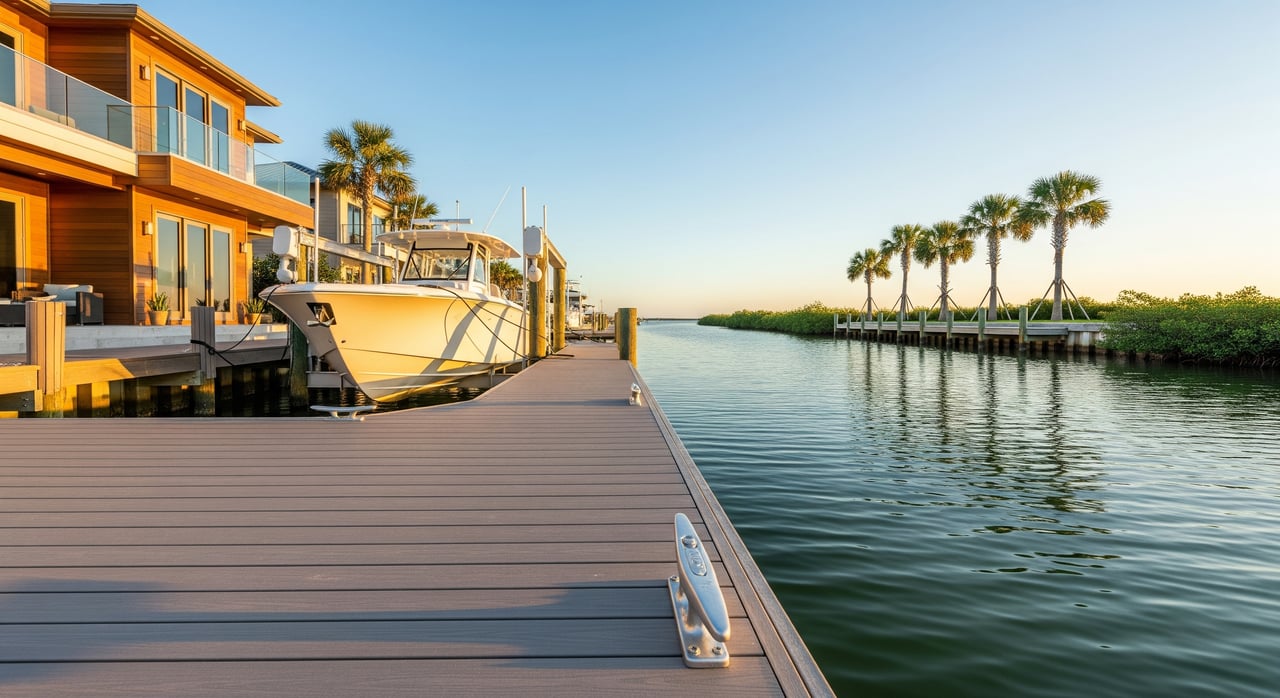
If you picture stepping from your backyard to your boat and gliding across calm water toward a sandy island, Upper Grand Lagoon might be your kind of waterfront. The lagoon sits in a protected bay system that makes day trips and sunset cruises feel easy. You want the fun, without surprises about depth, slips, or rules. In this guide, you’ll learn how Upper Grand Lagoon’s marinas, canals, and routes work, plus what to check before you buy or tour a home. Let’s dive in.
Waterway layout and access
Upper Grand Lagoon connects into the larger Grand Lagoon and St. Andrews Bay system along Florida’s Panhandle. From there, you can navigate marked channels toward the Gulf of Mexico and nearby barrier islands, including Shell Island. There are no locks in the system, which keeps routes straightforward for most recreational boats.
Because the lagoon and bay are relatively sheltered, you can often enjoy smooth rides in small to mid-size boats. Weather still matters, so use current charts and local notices before heading out. Tides are generally small here, but shallow areas and channel depths can change with wind and weather.
Routes to Shell Island and the Gulf
You can run from residential docks or ramps on Upper Grand Lagoon through the bay channels to reach Shell Island or the Gulf. Travel time depends on where you start, vessel speed, tide, and current. Plan routes with up-to-date charts and local guidance, not generic time estimates. Always check tide predictions and weather before low-draft transits.
Marinas, ramps, and storage options
Upper Grand Lagoon and the surrounding bay area offer a mix of facilities for different boating styles. You will see:
- Full-service marinas with wet slips, fueling, pump-out, repair, and haul-out. Some add convenience amenities like showers or dining.
- Community or condo marinas where slips are deeded, assigned, or rented to residents under HOA rules.
- Smaller private marinas and commercial yards focused on storage and repair.
- Public boat ramps for launch-only access with trailer parking. Long-term storage is usually not available at ramps.
- Dry storage options, such as covered dry-stack, outdoor trailer storage, or private upland yards.
What to confirm at a marina
Before you count on a slip or service, verify details directly with the facility:
- Slip rights and transfer: Is the slip deeded, assigned, or leased, and does it transfer if you buy the property?
- Fees and rules: Monthly or annual slip fees, guest policies, and transient rates.
- Water depth: Mean low water depth at the slip and in the access channel to match your draft.
- Lift and shore power: Lift capacity and beam clearance, power availability and amperage, and equipment condition.
- Storm plans: Tie-down procedures, haul-out capacity, and insurance requirements for named storms.
- Waitlists: Dry-stack storage often has waitlists, especially in busy seasons.
- Fuel and pump-out: Hours and on-site availability to reduce fueling trips and compliance risk.
Public ramps tips
Public ramps give you easy launch access for trailered boats. Check parking capacity, ramp slope, and nearby no-wake zones. If you will trailer in and out often, confirm the route from the ramp to your home and where you will store the trailer.
Canal-front living essentials
Canal-front homes can give you private docks and direct access to the lagoon. Canal dimensions limit boat size, so verify that your vessel can navigate comfortably.
- Width and turning room: Ensure you can maneuver at your dock and in the canal, especially with neighboring docks nearby.
- Depth at low tide: Confirm typical low tide depth at your dock and the canal entrance so your draft fits.
- Dredging and seawalls: Responsibility for dredging and seawall upkeep may fall to owners, an HOA, or the local government. Ask for dredging history, funding arrangements, and any pending assessments.
- Dock permits: Private docks often require state or county permits. Environmental restrictions can apply, including seagrass protections.
Boat fit and maneuvering
Measure more than length. Beam, height, and turning radius matter in canals with tight geometry. If you plan a lift, match lift capacity to your boat’s true wet weight, including fuel and gear.
Dock, lift, and utilities
Look for electric at the dock with the right outlet type and amperage. Confirm potable water, lighting, and shore power condition. For lifts, check control operation, corrosion, and maintenance records.
Seawalls and dredging responsibilities
Inspect the seawall for gaps, settling, or undermining. Ask who pays for dredging and how often it occurs. Request the latest depth surveys and any assessment history from the seller or HOA.
Tides, environment, and safe navigation
Upper Grand Lagoon sits in a microtidal region. That means tidal swings are modest compared with many coasts, yet even small changes can affect shallow spots and low-clearance docks.
Microtides and weather
Onshore winds and storms can raise water levels and shift currents. Always check tide predictions and local weather before you leave the dock. Plan extra margin at low tide if you run a deeper draft.
Protected habitats and clean boating
Seagrass beds and coastal habitats are protected. Avoid prop scarring and anchoring in seagrass. Use pump-out services and follow waste-discharge laws to keep waterways clear and avoid fines.
Permitting basics
Work with the proper agencies for any new docks, seawall repairs, or dredging. Permits typically involve state and county review. Ask sellers for past permits and compliance records so you understand what is already approved.
Buyer checklist before you tour
Use this quick list to frame your due diligence and on-site walkthrough.
Pre-offer due diligence
- Dock and slip rights: Confirm if the dock or slip is deeded, appurtenant, or leased. Verify transfer terms in writing.
- Condition reports: Request dock surveys, seawall inspections, and lift maintenance history.
- Canal maintenance: Ask for dredging history, the latest channel depth data, and any pending assessments.
- Flood and elevation: Check your flood zone and elevation, and ask about any historical flood claims on the property.
- Alternate access: If the home lacks a private dock, verify slip or storage availability at local facilities.
During the showing walkthrough
- Dock and pilings: Look for rot, cracks, leaning, and scour around pilings.
- Lift operation: Test controls, confirm weight rating, and inspect electrical connections for corrosion.
- Depth check: Note current tide and ask about typical low tide depths at the dock and canal entrance.
- Utilities at dock: Confirm water, power type and amps, and safe shore power condition.
- Seawall: Look for settlement, gaps, and undermining.
- Maneuvering space: Check neighbor dock spacing and whether you can turn safely.
- Trailer access: If trailering, ensure there is a clear path between street and dock area.
Smart questions to ask
- Who owns and maintains the dock, seawall, and any shared canal areas?
- Are there recorded easements or encroachments that affect the waterfront?
- What HOA rules govern boat size, docking, or storage?
- Any past storm damage, insurance claims, or repairs not yet completed?
- When was the last dredging, and are depth surveys available?
Insurance and financing
- Expect higher premiums for windstorm and flood compared with inland homes.
- Budget for slip fees, dock upkeep, and potential dredging assessments.
- Lenders may require extra inspections or elevation certificates for waterfront loans. Start those conversations early.
How to plan your boating lifestyle here
If you love day trips, plan your routes through the lagoon’s marked channels and time your runs with tide and weather. If you fish, look for storage, bait, and easy fuel access. If you cruise with family and guests, consider guest parking and transient slip options nearby. For all lifestyles, protect your boat with the right lift, lines, and hurricane plan.
How Ashley Meadows helps
You deserve clear answers before you buy waterfront. Ashley pairs boutique, high-touch service with finance-led guidance so you can evaluate docks, lifts, slips, and long-term costs with confidence. She will help you:
- Analyze total carrying costs, including insurance, slip fees, and maintenance.
- Coordinate inspections for docks, seawalls, and lifts, and review records for dredging and permits.
- Identify properties that fit your draft, beam, and maneuvering needs in canal-front settings.
- Navigate HOA documents and confirm transfer of deeded or assigned slip rights.
- Support relocation and remote purchases with responsive communication and virtual showings.
Ready to explore Upper Grand Lagoon waterfront options with a trusted advisor who understands both boating and the numbers that matter? Connect with Ashley Meadows to take the next step.
FAQs
How does Gulf and Shell Island access work from Upper Grand Lagoon?
- You navigate marked channels through Grand Lagoon and St. Andrews Bay toward open Gulf waters and Shell Island, with no locks, planning routes using current charts and tide predictions.
What should I check about canal depth and boat draft?
- Confirm mean low water depth at your dock and along the canal entrance, compare with your boat’s fully loaded draft, and plan extra margin at low tide or after storms.
Are there no-wake zones and speed rules near residences?
- Yes, local authorities enforce speed and no-wake zones using posted markers, so follow aids to navigation and current notices to boaters.
What permitting applies for docks, lifts, or seawalls?
- Most new docks, lifts, seawall work, and dredging require state and county permits, so request past permits and compliance documents from the seller.
Who pays for dredging or seawall maintenance on private canals?
- Responsibility can rest with owners or an HOA, so ask for dredging history, funding plans, and any pending assessments tied to the property.
If a home has no dock, what are my storage options?
- You can rent a wet slip, use dry-stack storage, store on a trailer at an approved facility, or seek community marina options, noting that waitlists may apply.
What insurance costs should I expect for waterfront homes?
- Waterfront often carries higher windstorm and flood premiums, and lenders may request elevation certificates or added inspections, so budget early and compare quotes.