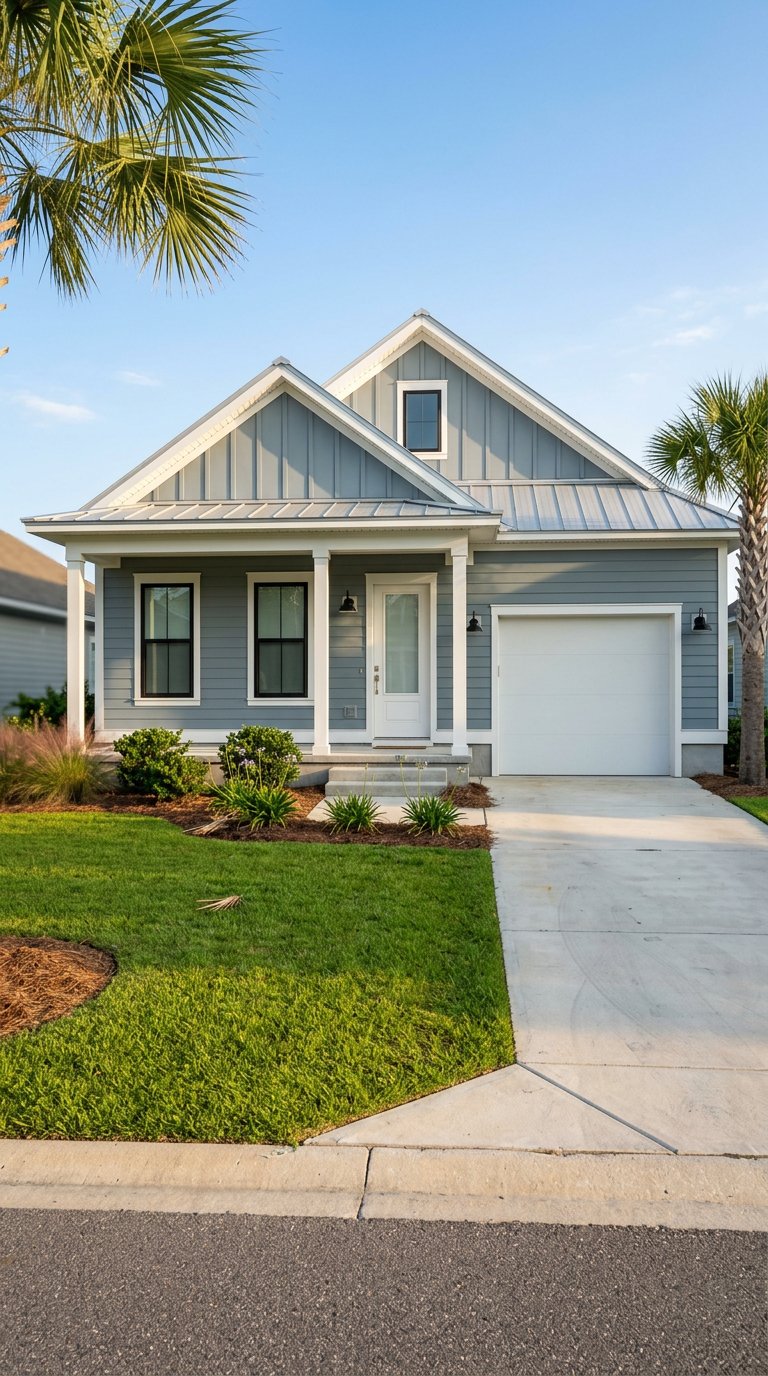
Thinking about a new construction home in Lynn Haven but not sure where to start? You want clear numbers, realistic timelines, and local guidance you can trust. In this guide, you’ll learn how new builds here are priced, how long they take, what permits and flood checks you need, and how to protect your investment with inspections, warranties, and smart financing. Let’s dive in.
Lynn Haven new construction snapshot
As of January 2026, sources show a wide price range when you compare new builds to resale in Lynn Haven. Recent averages and medians often land in the mid to high $300Ks, with some townhomes and smaller plans below $300K. Always confirm current pricing and incentives with the community you like since builders update inventory quickly.
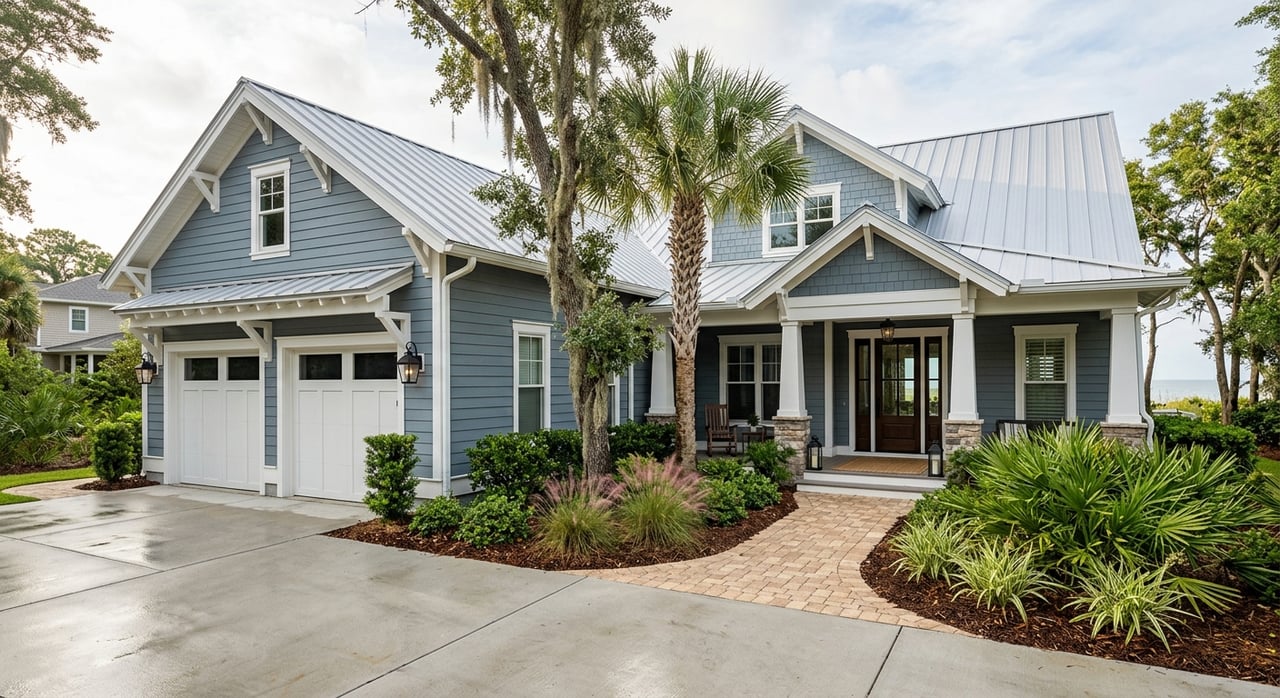
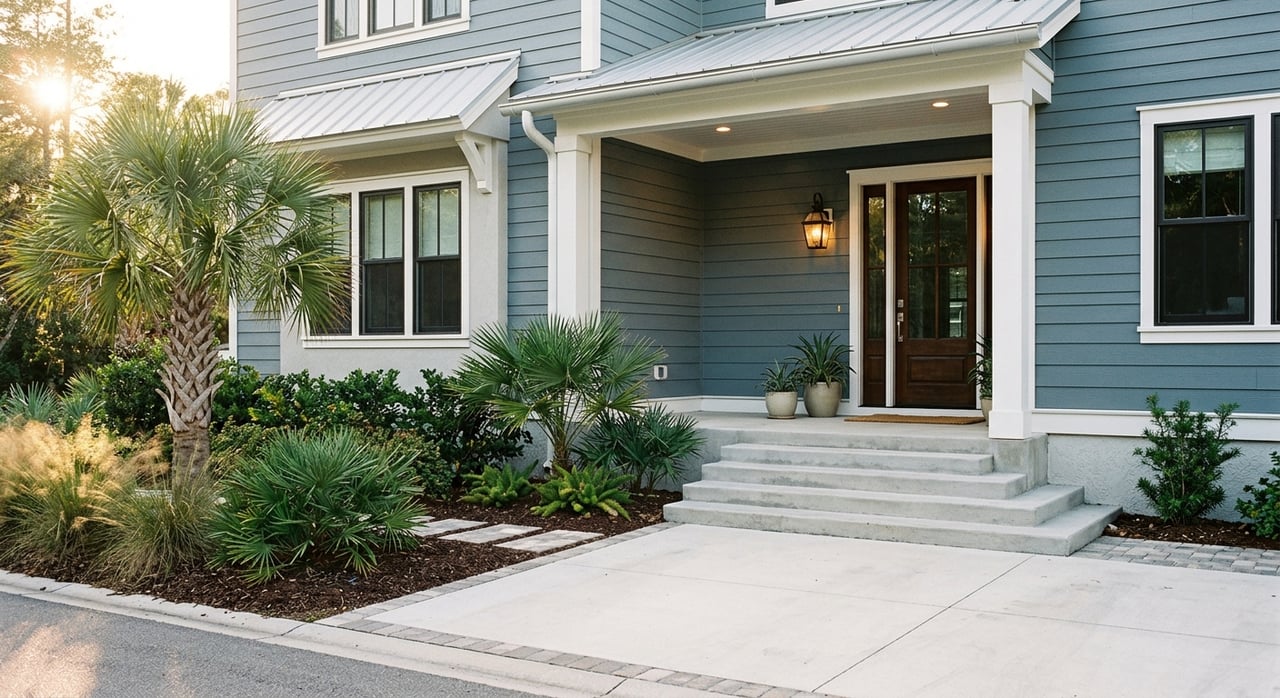
You’ll find a mix of townhomes and single-family homes. For example, you can tour floor plans and active releases at the Jake’s Landing townhomes by D.R. Horton. Listings have shown plans near 1,450 square feet, with select phases advertised from the low $200Ks at various times. Use these examples to get a feel for layouts and finishes, then verify today’s availability.
Popular builders and communities
- D.R. Horton: Townhomes and single-family offerings, including Jake’s Landing in Lynn Haven.
- Lennar: Single-family plans in the greater Panama City area with practical footprints.
- Regional builders: New phases within larger master‑planned settings like SweetBay.
Lot sizes vary by community. Townhomes sit on compact parcels, while many local single-family homes are on lots in the neighborhood of 7,000 to 10,000 square feet. Confirm the exact lot size on the plat or listing.
What you can build and how long it takes
Quick move‑in vs to‑be‑built
- Spec or quick move‑in homes: If construction is underway, you can often close in about 30 to 90 days. These homes cut your wait and lock in features already chosen by the builder.
- To‑be‑built production homes: Expect roughly 6 to 9 months from contract to completion in normal conditions. Your timeline can shift with permitting, supply chain issues, and storm season. National guides mirror these timeframes for typical builds.
Custom homes
A fully custom build often takes 9 to 12 months or more, depending on design complexity and permitting. Plan extra time for selections, engineering, and any changes you request mid‑build.
Permits, fees, and flood checks in Lynn Haven
Start with the city. The Lynn Haven Building & Permitting page lists applications, inspection requests, and forms you or your builder will need. It’s also the best source for current processing times.
Review the city’s published fee resolution so you can budget for municipal costs. The city’s Fee Schedule includes building permit valuation brackets, plan review percentages for one‑ and two‑family homes, administrative fees, and a specific Flood Zone Compliance Review fee.
If you are outside city services or on the edge of a service area, factor in county‑level items. The Bay County FAQs explain permit timelines and typical utility connection deposits. Always confirm whether the lot is on city sewer or requires septic.
Flood zones and elevation
Lynn Haven publishes its adopted FEMA maps and policies in the Lynn Haven Flood Management Plan. Before you buy a lot or sign a build contract, use the FEMA Flood Map Service Center to check the property’s flood zone and Base Flood Elevation (BFE) by address. If the lot is in a Special Flood Hazard Area, you will likely need an Elevation Certificate and an elevated foundation design. Flood insurance may also be required by your lender.
Hurricane and wind code
Florida’s building code enforces wind design and opening protection in coastal regions. After Hurricane Michael, reports emphasized wind‑borne debris zones, structural anchorage, and roof tie‑downs. Review your plans for impact‑rated openings and proper connections, and confirm the design wind speed for your site. For context, see FEMA’s technical findings in the Hurricane Michael Mitigation Assessment Team report.
Inspections and warranties that protect you
City inspections confirm code compliance at key stages like footings, slab, framing, rough mechanicals, insulation, and final. These are important, but they are not a full quality review for you as the buyer. To protect yourself, schedule independent inspections with a licensed home inspector at pre‑slab, pre‑drywall, and final walkthrough. Ask your builder about their policy for third‑party inspections and site access early.
Understand your warranty
Many builders use a 1‑2‑10 style warranty structure: one year on workmanship and materials, two years on major systems, and ten years of limited structural coverage. Some warranties are administered by third‑party companies such as 2‑10 Home Buyers Warranty. Read the warranty document closely for coverage limits, who performs repairs, timelines, and transfer rules.
To get the most from your warranty, document punch‑list items before closing and agree on target completion dates. Keep copies of all service requests. Schedule an 11‑month inspection so first‑year items are logged while they are still covered.
Use your agent and contract smartly
Builder sales staff represent the builder. If you want your own advocate on contract terms, options, and incentives, bring your buyer’s agent and register them at the first visit. After recent industry changes, buyers typically sign a written buyer‑broker agreement and negotiate compensation up front. Ask if any builder incentives depend on using an in‑house lender, then weigh the total cost with your agent and lender.
Budgeting: from base price to move‑in
Start with the base price, then layer in every likely cost so there are no surprises at closing. A simple checklist helps you stay on track.
- Base price of the home
- Lot premium, if any
- Structural options and design upgrades
- Permits, plan review, and city fees noted in the Fee Schedule, including Flood Zone Compliance Review if applicable
- Utility connection deposits from Bay County or the city, as needed
- HOA dues and any reserve or setup fees
- Third‑party inspections and survey
- Standard closing costs, plus prepaid taxes and insurance
Financing your new build
You have several paths:
- Buy a spec or quick move‑in home with a standard mortgage at closing.
- Use a construction‑to‑permanent loan that funds draws during construction and converts to a fixed mortgage once the home is complete.
- Explore government‑backed programs where available. For an overview, see this plain‑English look at the FHA construction loan overview.
Talk with a lender experienced in construction loans so you understand draw schedules, rate locks, and closing costs for single‑close options.
Planning for upgrades
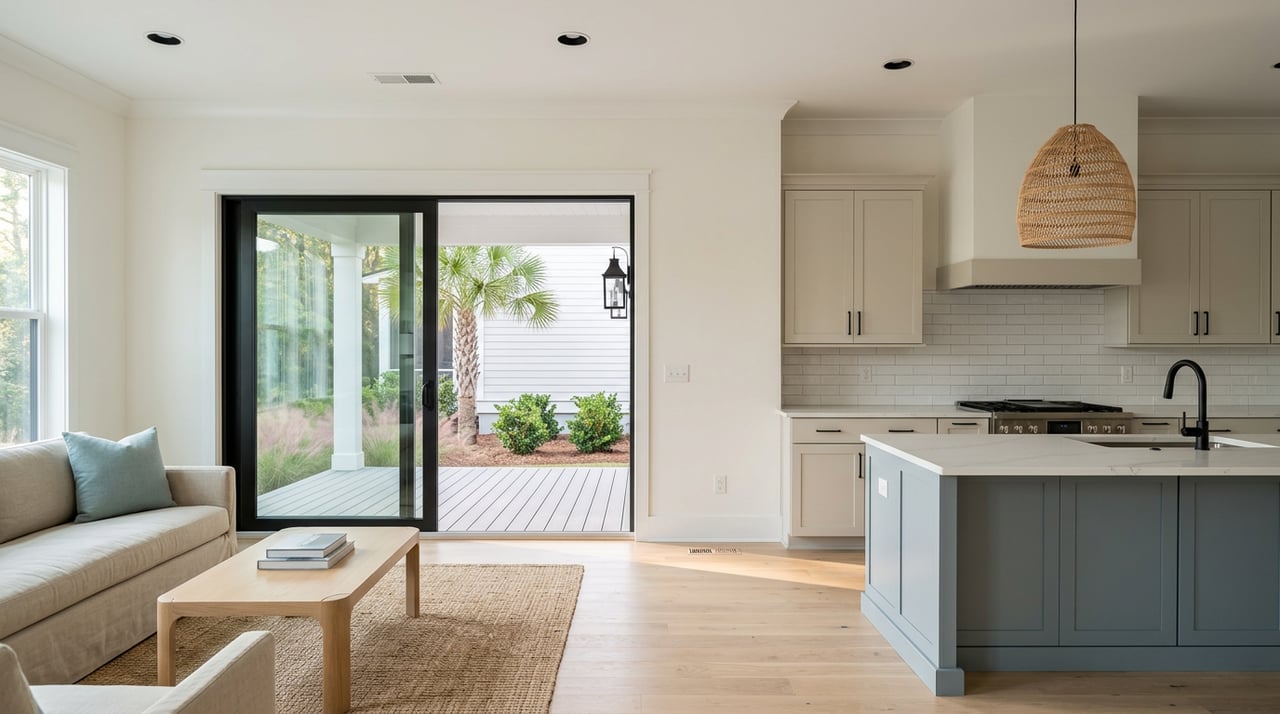
Model homes often show premium finishes that are not included in the base price. As a planning rule, many buyers set aside 10 to 20 percent above the base price for options and finish packages, with common upgrade totals ranging from about $10,000 to $60,000 or more depending on selections. Ask for the builder’s deposit schedule and whether option deposits are refundable or fully credited at closing.
New vs resale: which fits you
New construction offers control over finishes, energy‑efficient systems, and fresh warranties. Resale can provide faster move‑in and fewer upgrade decisions. As of January 2026, local medians show new‑home price points often in the $300Ks to $400Ks, with some townhome options below that. Compare the total cost of ownership, including upgrades and insurance, not just the headline price.
Next steps in Lynn Haven
- Get pre‑approved with a lender that offers construction‑to‑permanent loans if you might build from scratch.
- Choose your buyer’s agent and register them on your first community visit.
- Tour local options such as Jake’s Landing by D.R. Horton to compare plans.
- Confirm your lot’s utilities, permit path, and required forms with Lynn Haven Building & Permitting.
- Check the flood zone and BFE through the FEMA Flood Map Service Center and review the Lynn Haven Flood Management Plan.
- Build a full budget using the fee resolution and utility deposits as guides.
- Line up third‑party inspections at pre‑slab, pre‑drywall, and final, plus an 11‑month warranty check.
If you want a clear, numbers‑first plan for a Lynn Haven new build, reach out. With a finance background and deep Bay County expertise, Ashley Meadows can help you compare builders, model options, insurance needs, and total costs so you buy with confidence.
FAQs
How long does a new construction home take in Lynn Haven?
- Quick move‑in homes can often close in 30 to 90 days, while a to‑be‑built production home usually takes about 6 to 9 months in normal conditions.
Which Lynn Haven permits and fees should I expect?
- Budget for building permit valuation fees, plan review, an administrative fee, and a Flood Zone Compliance Review listed in the city’s published fee schedule.
Do I need an Elevation Certificate for a new build in Lynn Haven?
- If your lot is in a Special Flood Hazard Area, an Elevation Certificate is typically required during permitting and for flood insurance underwriting.
What inspections should I order on a new construction home?
- Schedule third‑party inspections at pre‑slab, pre‑drywall, and final walkthrough, then add an 11‑month inspection to capture warranty items.
How do construction‑to‑permanent loans work for Bay County new builds?
- Your lender funds draws as the home is built, then converts the loan to a long‑term mortgage at completion, often with one closing to reduce costs.