Wondering whether a condo or a beach house makes more sense in Lower Grand Lagoon? It is a common question, especially when both options can offer coastal living, vacation use, and investment potential in the same market. If you are trying to balance lifestyle, upkeep, rental goals, and long-term costs, this guide will help you compare the tradeoffs with more confidence. Let’s dive in.
Lower Grand Lagoon Buyers Have Real Options
Lower Grand Lagoon gives you a mix of condo and single-family opportunities in an active coastal market. Recent market snapshots showed 326 homes for sale in Lower Grand Lagoon, including 131 condos for sale, with a median condo listing price of $432,000 and a median sale price of $481,751 for all home types over the three months ending April 2026.
That variety is part of the appeal. You are not just choosing a property type. You are choosing how you want to own, maintain, insure, and possibly rent out a home in a tourism-driven area near Panama City Beach.
Panama City Beach’s official materials describe the area as welcoming millions of visitors each year, and Visit Panama City Beach reported tourist development tax collections were up 7.8% fiscal year to date through December 2025. That helps explain why both condos and detached beach houses can attract second-home buyers and investors.
Condo Vs Beach House Basics
At the simplest level, this decision usually comes down to control, maintenance, privacy, and carrying costs. Both property types can work well, but they serve different ownership styles.
Why a condo appeals to many buyers
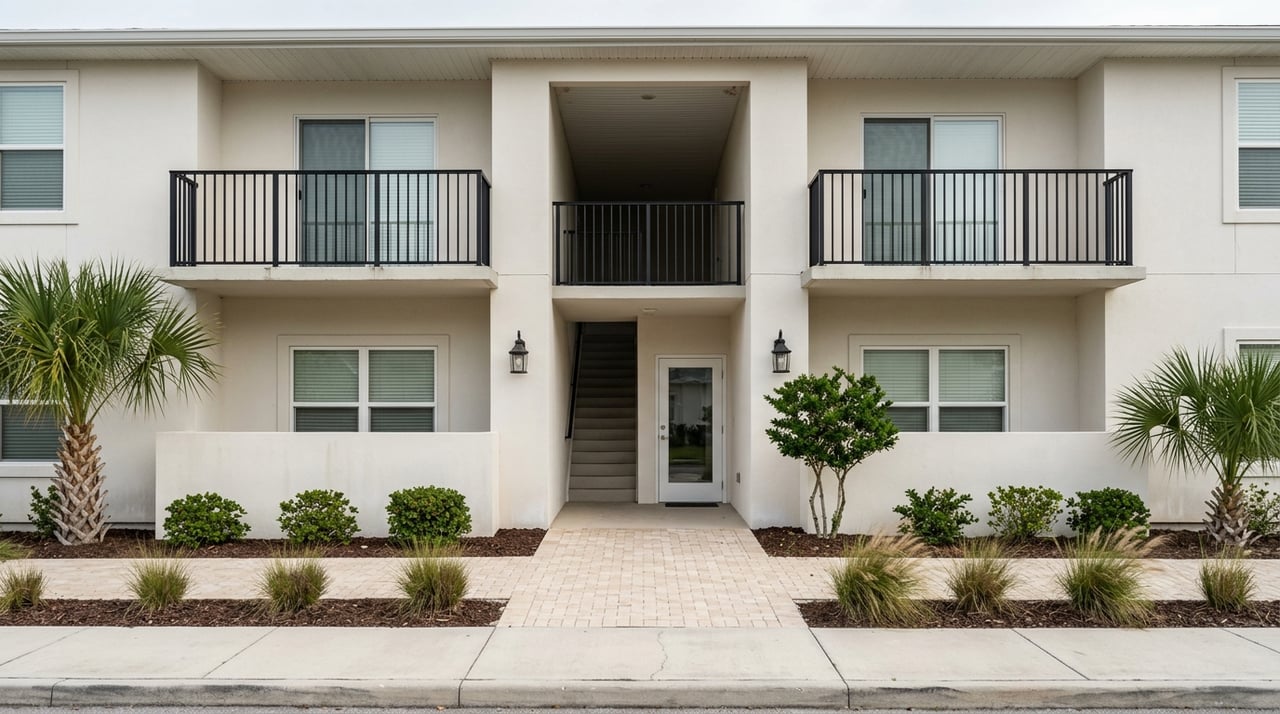
A condo often fits buyers who want a more managed ownership experience. In Florida condominiums, the association is responsible for common-element maintenance, and common expenses can include operation, maintenance, repair, replacement, or protection of common elements and association property.
For you, that can mean less day-to-day involvement. If you want a lock-and-leave second home or a more turn-key beach property, a condo may feel simpler to own.
Shared amenities can also be part of the draw. Depending on the community, you may gain access to features that would be expensive to maintain on your own.
Why a beach house appeals to many buyers
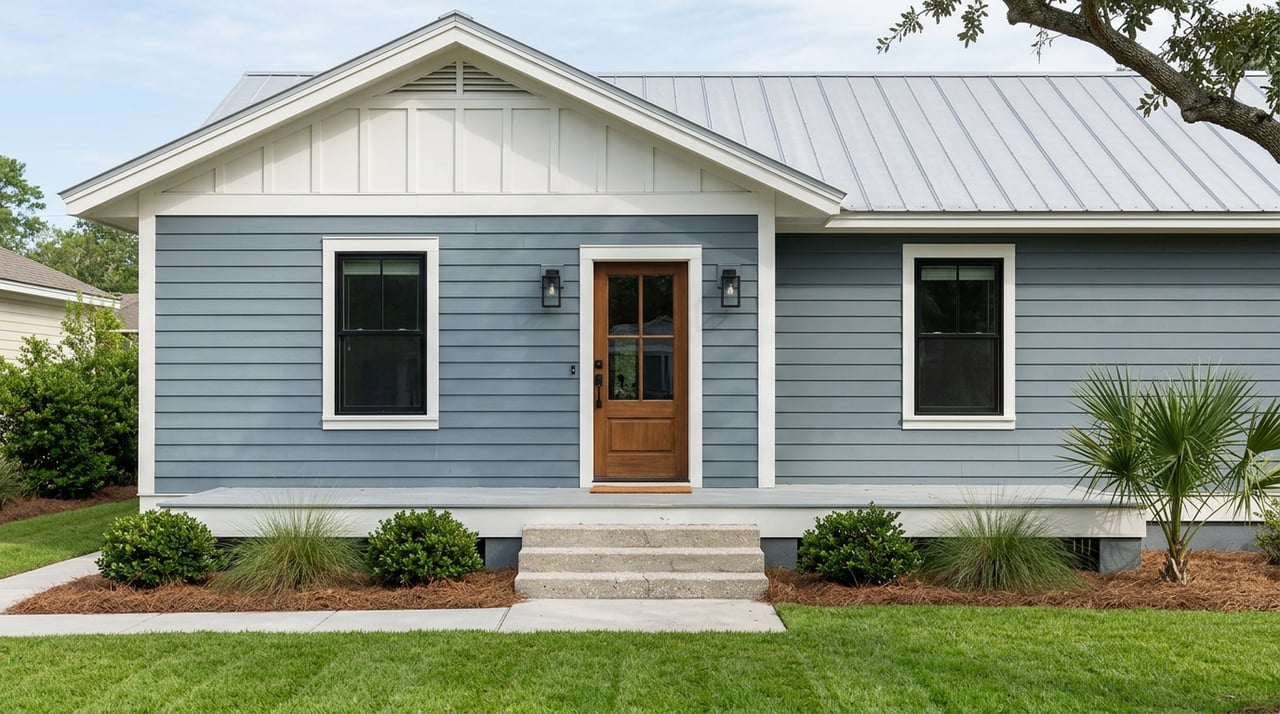
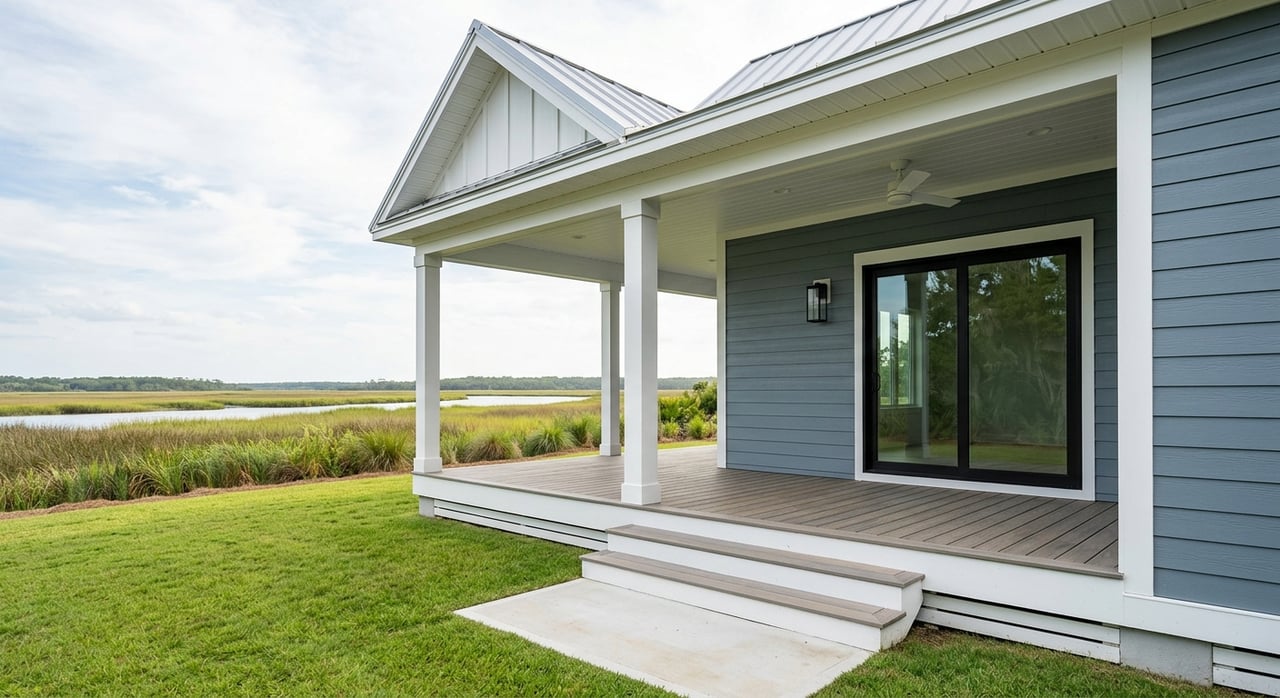
A detached beach house usually offers more privacy and more direct control over the property. You may also have more flexibility around outdoor space, storage, parking, and how you use the exterior.
That freedom is valuable for many buyers. If you picture yourself wanting room to spread out, manage the property your way, or host larger groups, a beach house may align better with your goals.
The tradeoff is responsibility. With a house, you typically absorb more of the direct maintenance, storm prep, and repair decisions yourself rather than sharing those costs through an association.
Compare Your Day-To-Day Ownership Style
Before you focus on price alone, think about how you want ownership to feel once the closing is over.
Condo ownership is more hands-off
If you do not want to coordinate as many exterior repairs or common-area issues, a condo may be the easier fit. The association structure can make ownership feel more predictable from a maintenance standpoint, even though you still need to review dues, reserves, and rules carefully.
This is often attractive for second-home buyers who are not in town year-round. It can also work well if you value convenience over having full control of every exterior decision.
Beach house ownership gives you more control
A beach house gives you more say over your property, but it usually asks more from you in return. Exterior upkeep, storm preparation, and repair planning often fall more directly on the owner.
For some buyers, that is a positive, not a burden. If you prefer autonomy and want your property to work around your lifestyle rather than community rules, a house can be the better long-term fit.
Coastal Costs Matter More Than Many Buyers Expect
In Lower Grand Lagoon, carrying costs deserve as much attention as the purchase price. This is especially true in a coastal area where flood and storm risk are part of ownership.
Flood insurance is not optional to ignore
Bay County states that homeowner’s insurance does not cover flood damage and that flood insurance is available to property owners. The county also participates in the National Flood Insurance Program, and its Community Rating System class 7 status provides a 15% discount on flood insurance premiums.
That means flood coverage should be part of your budget from the start. Whether you buy a condo or a beach house, you should treat insurance as a core line item, not an afterthought.
Verify the property’s flood and evacuation zones
Bay County says the area is highly prone to flooding from hurricanes, tropical storms, and intense rainfall. Its evacuation-zone map divides coastal areas into Zones A through D based on storm-surge risk.
Before you make an offer, verify the address in Bay County GIS and check both the flood zone and evacuation zone. Two properties with similar photos and similar prices can carry very different risk profiles.
Condo costs are structured differently
Condo ownership often shifts some costs into monthly dues and association budgets. Florida law treats association repairs, replacements, and protection of common elements as common expenses.
That does not automatically make a condo more expensive or less attractive. It just means some costs are bundled and shared rather than handled individually when something breaks.
Special assessments are part of condo due diligence
You should also understand how the association is planning for future repairs. For residential condo buildings that are three habitable stories or higher, Florida requires a structural integrity reserve study at least every 10 years, and those records are part of the association’s official records that buyers can review.
This matters because reserve strength affects the chance of future special assessments. A condo can be a strong choice, but only if you feel comfortable with the building’s financial and maintenance picture.
Rental Goals Can Change The Answer
If you are also thinking about short-term rental use, the condo versus beach house decision can shift quickly. In Lower Grand Lagoon, the parcel and jurisdiction matter more than the postcard view.
County and city rules are not the same
Bay County has a short-term vacation rental certificate requirement for covered transient public lodging establishments in unincorporated areas. The county also says high-rise condominium units and apartment complexes are currently exempt from that ordinance, though the process may still involve annual registration, DBPR vacation-rental licensure, tourist-development-tax registration, and inspections where applicable.
Panama City Beach has a separate registration system for vacation rentals within city limits. The city says rentals inside Panama City Beach city limits must have a valid Vacation Rental Certificate, along with proof of a DBPR license, Bay County tourist development tax registration, and a local business tax receipt.
Condo declarations and HOA documents matter too
Even if local rules allow a certain use, the condo declaration or HOA documents may add limits. That is why rental due diligence should go beyond a quick online search.
If rental income is part of your plan, confirm the property’s jurisdiction, read the community documents, and verify whether short-term rental use is allowed before you move forward. A great-looking property is only a great investment if the rules support your strategy.
Which property type often fits investors better?
In general, condos often appeal to buyers who want a lower-maintenance, amenity-centered vacation asset. Detached beach houses often appeal to buyers who want more privacy, more parking, and more flexibility for larger groups.
The better fit depends on your numbers and your use case. This is where a finance-first review can save you from buying the wrong type of property for your actual goals.
Homestead Can Affect Your Math
If the property will be your primary residence, Florida homestead rules may matter. The homestead exemption and Save Our Homes cap apply to a primary residence, not to residences without homestead.
That means your tax planning may look different depending on how you intend to use the property. A second home, vacation home, or investment property should be evaluated differently from a full-time residence.
A Simple Decision Framework
If you are stuck between the two, start with the ownership experience you want and work backward from there.
A condo may be the better fit if you want:
- Lower day-to-day maintenance involvement
- More turn-key, lock-and-leave convenience
- Shared amenities
- A more managed ownership experience
- A property that may align well with part-time use
A beach house may be the better fit if you want:
- More privacy
- More control over the property
- More flexibility for parking, storage, and outdoor space
- Fewer shared-wall or shared-amenity tradeoffs
- A setup that may work better for your personal use style
The Best Next Step Before You Buy
In Lower Grand Lagoon, smart buyers do not stop at comparing photos, views, or list prices. They compare the full ownership picture, including insurance, flood risk, association health, rental rules, and long-term use.
A careful side-by-side review can make the choice much clearer. That is especially true if you are buying from out of town, planning future rental use, or deciding between a second home and a primary residence.
If you want help weighing the numbers and the lifestyle tradeoffs, Ashley Meadows can help you evaluate condos and beach houses in Lower Grand Lagoon with local insight and a finance-first approach.
FAQs
Should you buy a condo or beach house in Lower Grand Lagoon for easier maintenance?
- A condo is usually easier for day-to-day maintenance because the association handles common elements and shared property responsibilities.
What should you check before buying a Lower Grand Lagoon condo?
- You should review the association documents, budget, reserve information, building records, rental rules, flood zone, and evacuation zone before making an offer.
Why do flood zones matter when buying in Lower Grand Lagoon?
- Flood zones matter because Bay County says the area is highly prone to flooding, homeowner’s insurance does not cover flood damage, and flood coverage is a key ownership cost.
Can you use a Lower Grand Lagoon property as a short-term rental?
- It depends on the parcel jurisdiction, the applicable county or city registration rules, and the condo declaration or HOA documents for that specific property.
Does homestead status matter when choosing a Lower Grand Lagoon property?
- Yes. Florida’s homestead exemption and Save Our Homes cap apply to a primary residence, so your intended use can affect the long-term math.